How to budget money is not just a straightforward task; it’s an essential skill that can transform your financial well-being. Imagine navigating through life’s expenses with confidence, knowing exactly how to allocate your income, save for emergencies, and work towards your financial goals. This guide will take you through the ins and outs of budgeting, offering strategies, tools, and insights that will empower you on your financial journey.
As we explore the world of budgeting, we’ll break down the process, highlight various budgeting methods, and discuss the importance of setting financial goals. This comprehensive approach will help you understand your income, manage your expenses, and ultimately achieve a more balanced and secure financial life.
Understanding Budgeting
Budgeting is a crucial aspect of personal finance that helps individuals manage their money effectively. It enables people to understand their income, track their expenses, and plan for future financial goals. A solid budget can lead to financial stability, reduced stress, and improved overall well-being.The budgeting process typically involves several steps. First, one must calculate total income, which includes wages, bonuses, and any additional sources of revenue.
Next, it’s essential to list all expenses, categorizing them into fixed (like rent and utilities), variable (like groceries and entertainment), and discretionary (like luxury items). Finally, individuals can analyze their spending patterns and adjust their budgets accordingly.To track expenses effectively, people can utilize various methods such as keeping a detailed spending journal, using budgeting apps, or employing spreadsheets. Each method has its merits, and the choice often depends on personal preference and comfort with technology.
Types of Budgets
There are numerous budgeting methods available that cater to different financial situations and preferences. Here are some popular budgeting techniques:
- Zero-Based Budgeting: Every dollar is allocated to specific expenses, savings, or debt repayment, leaving a zero balance at the end of the month.
- Envelope System: Cash is divided into envelopes designated for specific spending categories, promoting discipline in spending.
- 50/30/20 Rule: This method allocates 50% of income to needs, 30% to wants, and 20% to savings or debt repayment.
To provide a clearer comparison, here’s a table showcasing the advantages and disadvantages of each budgeting type:
| Budgeting Method | Advantages | Disadvantages |
|---|---|---|
| Zero-Based Budgeting | Promotes a high level of control and accountability | Can be time-consuming and complex |
| Envelope System | Encourages cash management and limits overspending | Inconvenient for online purchases and modern transactions |
| 50/30/20 Rule | Simplicity and easy to follow | May not be suitable for all income levels |
Setting Financial Goals
Setting financial goals is a fundamental step in achieving financial stability and success. To effectively establish these goals, individuals should start by identifying short-term (less than a year) and long-term (more than a year) objectives. This could involve saving for a vacation, paying off debt, or planning for retirement.Aligning a budget with personal financial objectives is crucial. By prioritizing spending that supports these goals, individuals can stay focused and motivated.
For those interested in a structured way to set financial goals, consider the following template:
Goal Description
What do you want to achieve?
Timeframe
When do you plan to achieve it?
Amount Needed
How much will it cost?
Savings Plan
How much will you save each month to reach this goal?
Managing Income and Expenses
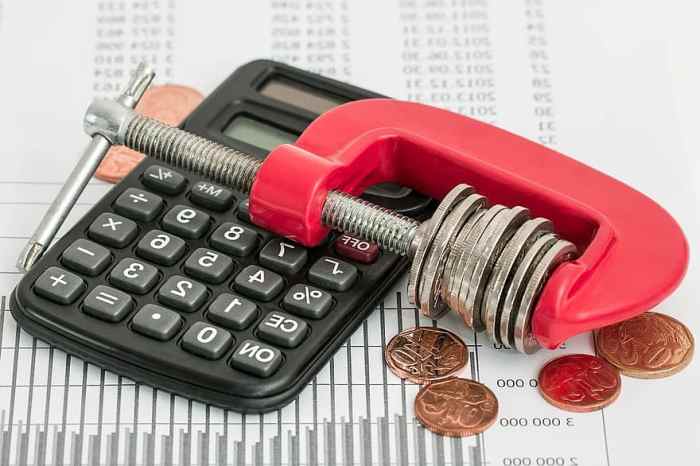
Effectively managing income and expenses can lead to better financial health. One strategy for increasing income is to explore side jobs or passive income opportunities, such as investing in stocks or real estate. Additionally, individuals should categorize their expenses into fixed, variable, and discretionary to see where their money goes.Here’s a table that illustrates examples of different expense categories:
| Expense Category | Examples |
|---|---|
| Fixed Expenses | Rent, mortgage, insurance premiums |
| Variable Expenses | Utilities, groceries, transportation |
| Discretionary Expenses | Dining out, entertainment, hobbies |
Emergency Funds and Savings
Having an emergency fund is essential for financial security. It acts as a safety net during unforeseen circumstances, such as job loss or medical emergencies. Building an emergency fund typically involves setting aside three to six months’ worth of living expenses.Incorporating savings into a monthly budget can be achieved through automatic transfers to a savings account. This strategy ensures that savings are prioritized before discretionary spending.
To set up a savings plan, follow these steps:
- Determine the total amount needed for your emergency fund.
- Set a monthly savings goal based on your budget.
- Open a separate savings account to avoid dipping into funds.
Common Budgeting Mistakes
Many individuals make common budgeting mistakes that can derail their financial plans. Frequent errors include underestimating expenses, failing to adjust for lifestyle inflation, and neglecting to review the budget regularly. Lifestyle inflation occurs when increased income leads to increased spending, making it imperative to remain mindful of spending habits.Real-life examples of budgeting pitfalls include overspending on discretionary items or neglecting savings goals.
Implementing a recovery strategy, such as revising the budget or reducing non-essential expenses, can help individuals get back on track.
Financial Tools for Budgeting
Several tools and apps can assist with budgeting, making the process easier and more efficient. Popular budgeting software often includes features such as expense tracking, goal setting, and financial reporting. Here’s a comparison of features offered by some recommended financial tools:
| Tool/App | Features |
|---|---|
| Mint | Expense tracking, bill reminders, credit score monitoring |
| You Need a Budget (YNAB) | Real-time expense tracking, goal setting, educational resources |
| EveryDollar | Straightforward budgeting, customizable categories |
Role of Finance Professionals in Budgeting
Finance professionals play a vital role in both personal and business budgeting. They offer expertise in creating effective budgets, ensuring compliance with financial regulations, and optimizing financial strategies. A finance lawyer can assist individuals and businesses with budgeting related to legal matters, such as tax planning and investment strategies.Insights from finance specialists can greatly enhance budgeting strategies by providing tailored advice based on individual circumstances and financial goals.
Finance Careers Related to Budgeting
Careers in finance that focus on budgeting and financial planning are diverse and rewarding. Positions such as financial analysts, budget analysts, and financial planners are essential for organizations seeking to manage finances effectively.Key skills required for finance careers related to budgeting include analytical thinking, attention to detail, and proficiency in financial software. The following table showcases top finance companies that hire budgeting professionals:
| Company | Position |
|---|---|
| Goldman Sachs | Financial Analyst |
| Deloitte | Budget Analyst |
| Fidelity Investments | Financial Planner |
Government Budgets and Finance Ministers
Government budgets are structured to allocate funds for various public services and initiatives. These budgets significantly impact the economy by affecting government spending and taxation policies. Finance ministers play a crucial role in shaping national budgets by proposing budgets that align with economic goals and managing public funds. Additionally, finance transformation initiatives within government budgeting aim to improve efficiency and transparency in financial management.
The Future of Budgeting: Finance Technology
Emerging technologies in budgeting and finance management are transforming how budgets are created and monitored. Automation tools now facilitate budgeting processes, allowing users to streamline their financial activities with ease.Innovative finance transformation tools include AI-driven budgeting software that analyzes spending patterns and predicts future financial needs, making budgeting a more dynamic and responsive process.
Creating a Personal Budget Statement
Creating a personal finance statement is an effective way to visualize one’s financial health. This statement typically includes details about income, expenses, assets, and liabilities, providing a comprehensive overview of financial status.The relationship between a budget and a finance statement is significant, as the budget serves as a plan for achieving the goals Artikeld in the finance statement. A template for creating a personal budget statement could include:
- Income Sources
- Total Monthly Income
- Expense Categories
- Total Monthly Expenses
- Net Savings or Deficit
By following these guidelines, individuals can create a robust personal budget statement that helps them achieve their financial goals.
Conclusion
In conclusion, mastering how to budget money is a journey that involves understanding your financial landscape, making informed choices, and adapting as circumstances change. By implementing the techniques and strategies discussed, you can create a sustainable budget that not only meets your needs but also sets you up for future success. Start budgeting today, and take control of your finances for a better tomorrow!
FAQs
What is the first step in budgeting?
The first step in budgeting is to assess your income and expenses to understand your financial situation.
How often should I review my budget?
It’s advisable to review your budget monthly to adjust for any changes in income or expenses.
Can I budget using apps?
Yes, there are many budgeting apps available that can help you track your expenses and manage your finances effectively.
What if I go over budget?
If you go over budget, analyze where the extra spending occurred and adjust your budget or expenses accordingly to prevent it from happening again.
Is it necessary to have an emergency fund?
Yes, having an emergency fund is crucial as it provides a financial safety net for unexpected expenses.